
 Getty Images
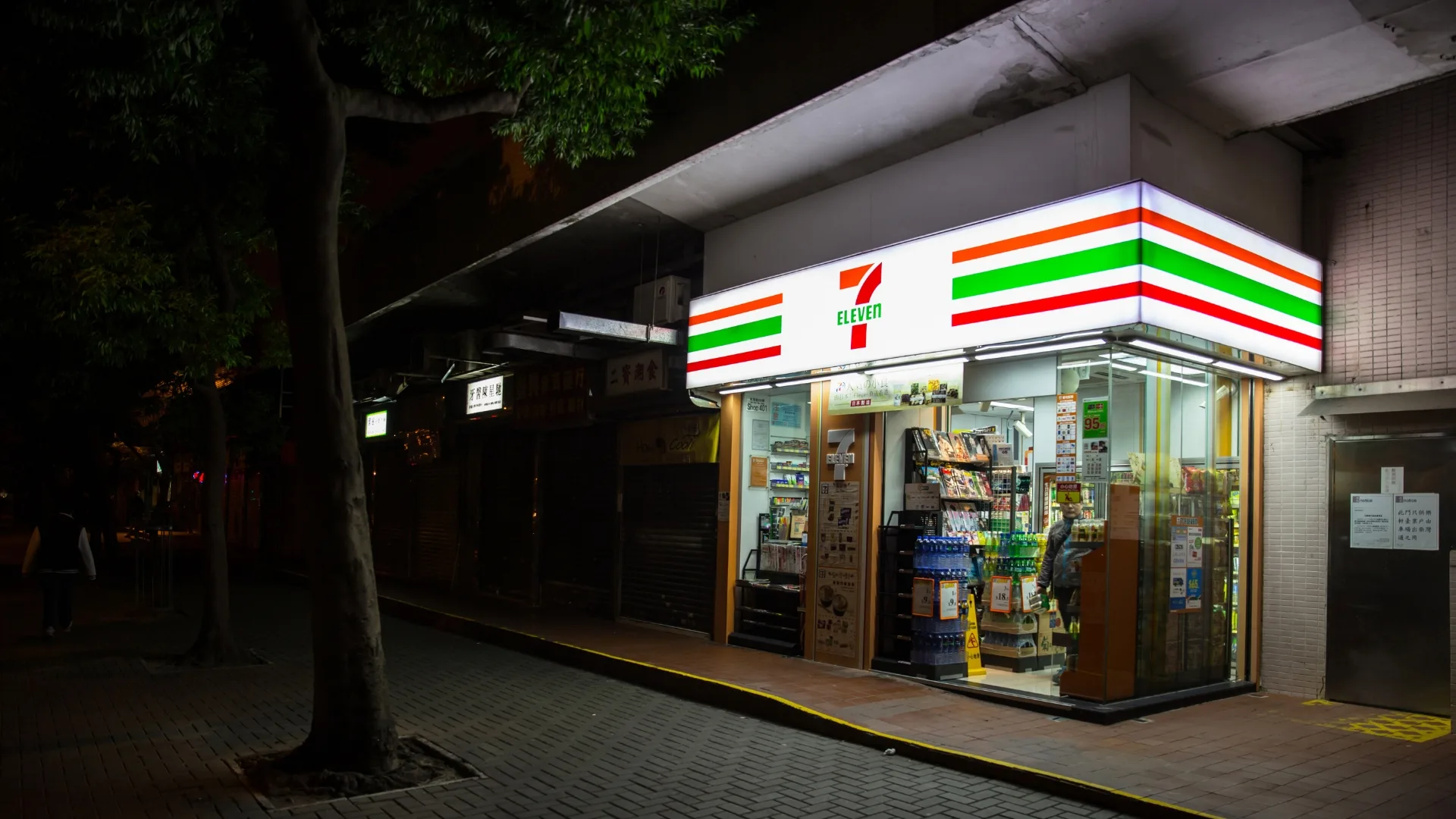
When Kenji Yamamoto opened Japan’s first 7-Eleven in 1974, his goal was to reinvent his family’s Tokyo liquor store. Mission accomplished. And then some. The success of Yamamoto’s gamble helped pave the way for an industry that, in 2024, saw customers spend 11 trillion yen across Japan’s 56,000 konbini: the shortened form of the Japanese word, “konbiniensu sutoru”.
As its name suggests, a good konbini is convenient and accessible: a one-stop shop providing essential goods and services ranging from document printing to luggage-forwarding. Food and drink, naturally, are key offerings, especially once 24-hour trading started in 1975. This move was a game-changer, not just for locals who could buy snacks, groceries and alcohol around the clock, but also for tourists.
“Konbini are great during those first few days of a trip when you’re jet-lagged,” says Australian-Japanese author, Emiko Davies. “You can always find one, no matter what time of day or night.”
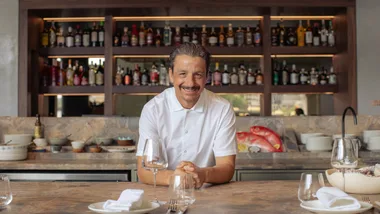
In 2024, an estimated 37 million visitors hit Japan. Two such visitors were Caryn Ng and Brendan Liew, the duo behind Melbourne Japanese cafe and pop-up Chotto and authors of Konbini (Smith Street Books, $50): a paean to convenience store culture told through stories, photography and recipes for konbini favourites.
“We’ve always wanted to do something on konbini because they’re such a big part of Japanese life,” says Liew who works at Warabi at W Melbourne. Their previous book, Tokyo Up Late included a single chapter on konbini, “but we felt that it could have been so much more and even encompass a whole book.”
Although every part of Japan has local konbini brands, three names dominate the market with Lawson (the American group opened in 1975 in Osaka), hometown hero FamilyMart (1973) and 7-Eleven collectively operating 50,000 of the country’s konbini. The cause and effect of this dominance is the development of complex integrated logistics, production and data analysis systems that keep konbini shelves and fridges stocked with the right products at the right time of day.

Whereas a sausage roll might languish all day in an Aussie servo’s pie warmer, Tokyo salarymen and career women lunch on vibrant salads and bento boxes made fresh at dedicated kitchen facilities and delivered fast. (Ever wondered why Japanese 7-Eleven workers are perpetually reloading stock?) The konbini has, subsequently, landed some unexpected gigs.
“We often eat breakfast at convenience stores because nothing in Japan opens before 10am,” says former Tokyo resident Adam Liaw. “As someone who’s frequently travelling to Japan with three children, konbini are incredibly convenient.
See also the Liaw family’s regular trips to the konbini for dessert. (The MasterChef alum has a soft spot for purin, Japan’s take on the crème caramel.)

Sophie Pope and Lachlan Colwill of Hobart’s Omotenashi share Liaw’s enthusiasm for convenience store sweets. Not even the most elaborate of kaiseki meals will deter the couple from post-dinner FamilyMart ice-creams.
“We slow-walk to the konbini giggling because we both know what’s on our mind,” admits Colwill. Yet for most eaters, it’s the mealtimes – and snack times – between brekky and supper when the konbini really shines. Fried chicken fans, especially, have much to crow about. Launched in 2006, FamilyMart’s boneless famichiki is widely hailed as the konbini fried chicken to beat, although 7-Eleven’s nanachiki and Lawson’s kaarage-kun have their admirers, including Japan’s space agency JAXA that serves a freeze-dried version of the latter to astronauts in space.
When it comes to sandwiches, however, the sandos at 7-Eleven loom large. While the katsu example might have fuelled Australia’s love of Japanese sandwiches and pillowy shokupan milk bread, egg salad is the genre’s current darling. Or at least to Dan Hong, anyway.
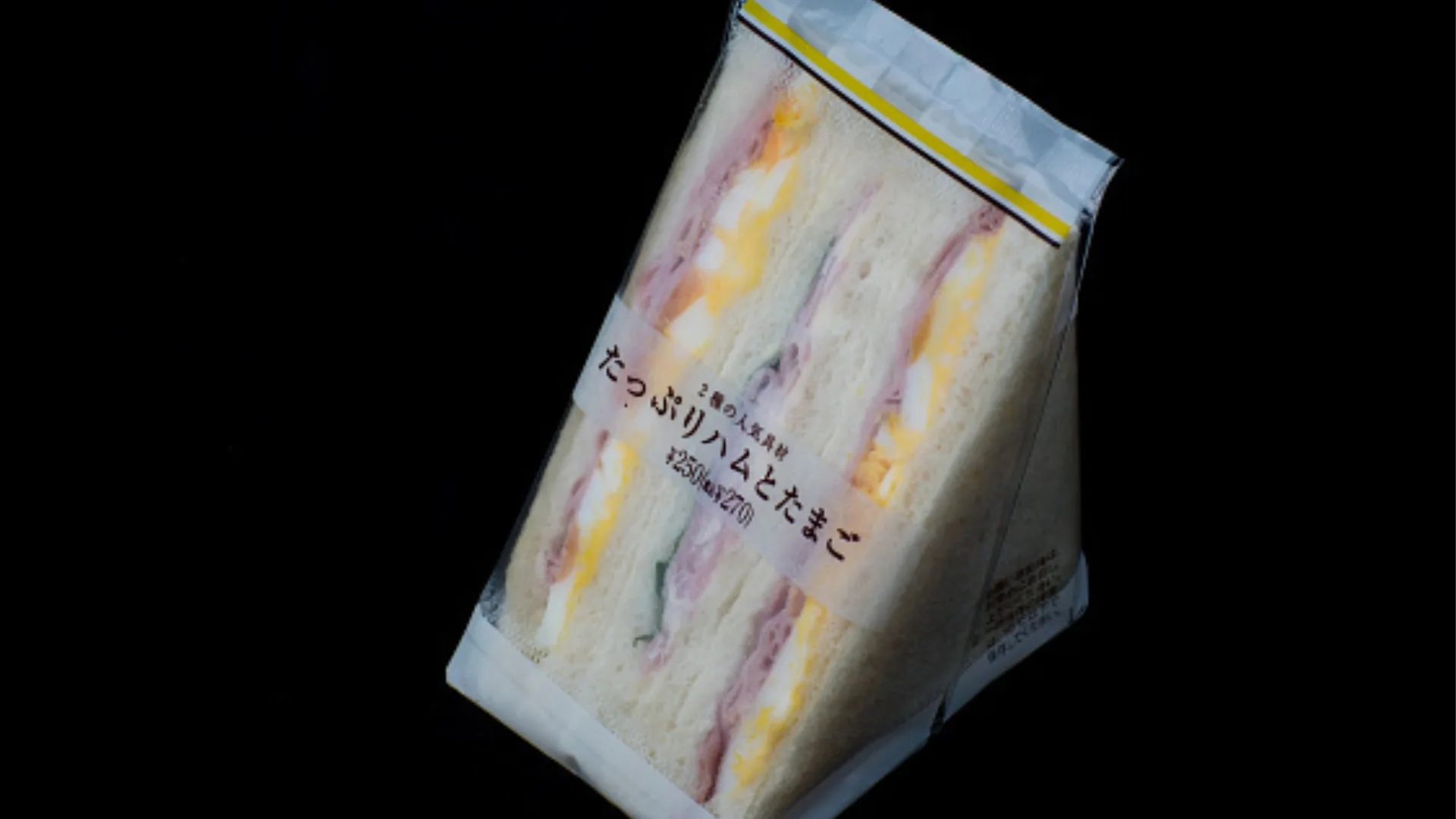
“An egg sando is the first thing I get when I hit Japan,” says Hong. “I literally have one every day.”
Feeling frisky? Hong suggests hacking your own crossbred konbini sanger by stuffing Lawson’s kaarage into a 7-Eleven egg sando. Similarly, Black Market Sake’s Matt Young remembers a tasting tour where vagabond chef Analiese Gregory made katsu sandwiches in the minibus using ingredients “foraged” during konbini pit stops.
The one konbini snack to rule them all, however, is onigiri: nori-wrapped rice balls. Fitting, as the introduction of onigiri to konbini in the late ’70s helped reposition the convenience store as “Japanese” rather than an imported western curio. Partial credit for this makeover goes to the 1978 invention of the ingenious, three-tear onigiri wrapper.
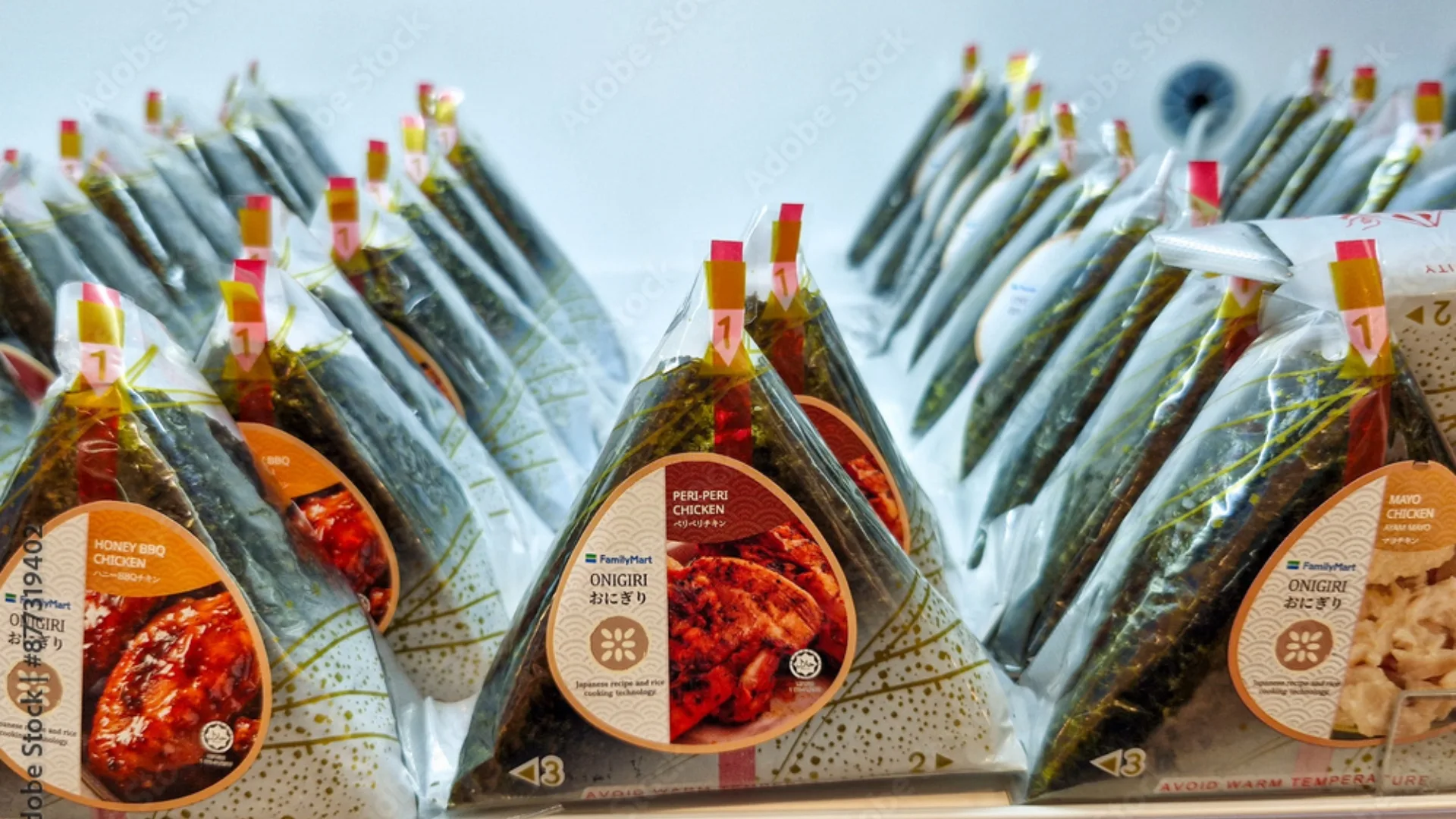
Both impressively and unsurprisingly, even convenience stores adhere to Japanese cuisine’s twin north stars of local and seasonal. Konbini food isn’t just governed by weather – simmered oden dishes appear over winter while seasonal fruit sandwiches star during summer – but also key holidays. In late January, you can marvel at the opulent ehomaki (oversized “lucky” sushi rolls eaten during Setsubun in February) being spruiked for pre-orders by Big Konbini. Look out too for meibutsu (regional specialties) as you move around Japan. These treasures range from local pickles to limited-edition sake and whisky – Mars Distillery’s Shinshu blend, say – that are only available in each producer’s home prefecture.
While the konbini is synonymous with modern-day Japan, it also holds sentimental value to Japanese nationals and long-time visitors. Before he was one of Australia’s pre-eminent sushi chefs, Toshihiko Oe of Sydney’s Sushi Oe worked part-time at 7-Eleven in the late ’80s. His hourly wage was 470 yen (around $5): enough, at the time, to buy a couple of sandwiches.
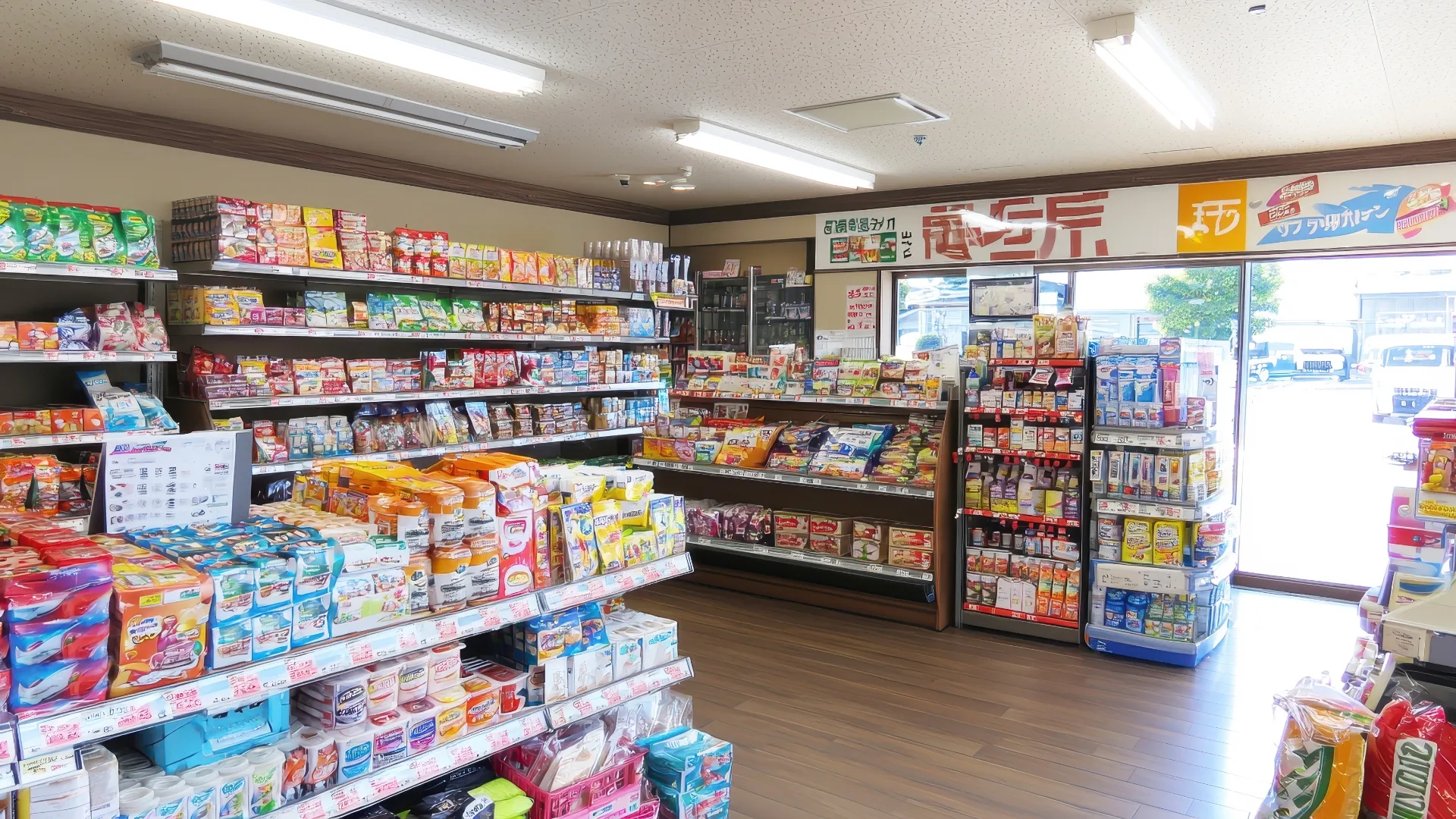
While attending high school in Kurashiki, Daisuke Hiramatsu of Perth’s Ginza Nana Alley made multiple visits to the konbini daily to gossip with buddies while snacking on pizza-man, yakisoba-pan and other steamed buns. During her first visit to Japan, Julia Busuttil Nishimura was tasked with biting into every onigiri that her vegetarian and pescatarian friends bought at the konbini to ensure that they were meat-free.
Contributions to Japanese life aside, the konbini is also something of a cultural ambassador abroad. Where Japanese konbini brands have gone in Asia, the onigiri has followed, albeit reengineered using localised, not-especially Japanese fillings. Think chicken rice (FamilyMart Taiwan) and creamed cheese with smoked ham (7-Eleven Singapore). Locally, the rise of konbini-inspired venues – not to mention listening bars and kissa-style cafés – suggests Australia is still crushing hard on Nipponese food culture.
As for the future of konbini, reinvention will continue to be part of the story. FamilyMart recently appointed streetwear pioneer Nigo of Bathing Ape and Kenzo fame as its new creative director. While Lawson’s partnership with Muji means shoppers can snag the retailer’s popular homewares at the same time as stocking up on snacks.
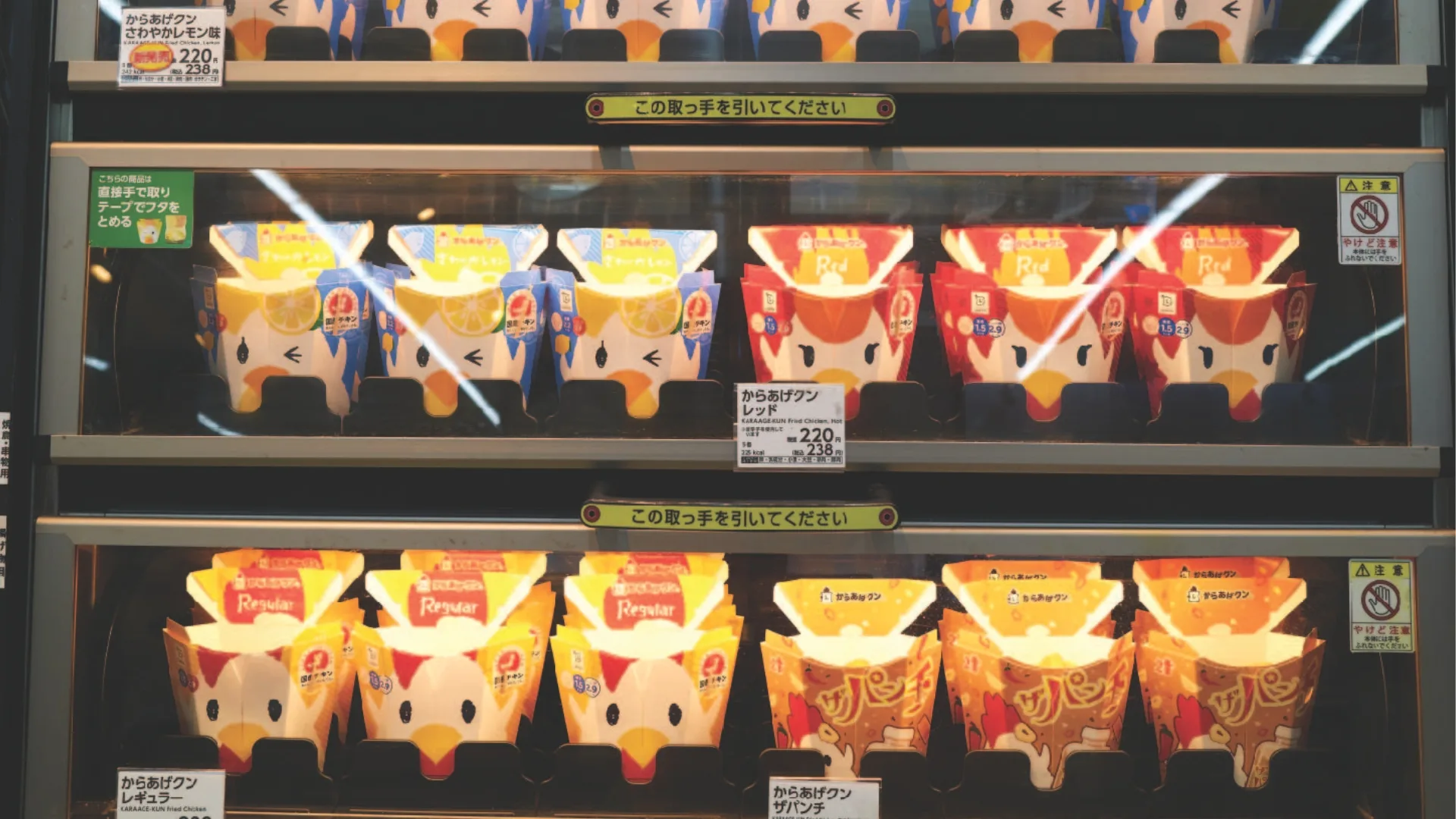
Yet for all this growth, the steady march of the convenience store hasn’t come at the cost of conscience. Staffing stores with remotely controlled “avatars” is providing employment opportunities for previously disenfranchised social groups while konbini’s big three continue to service and expand into remote areas of Japan. Most notable, however, was the way konbini responded during the 2011 Tohoku earthquake and Covid pandemic by providing hot meals and disaster aid: proof, surely, that traditional Japanese values remain important.
“Rather than a replacement for all that has been lost, konbinis are places that keep communities running,” writes Caryn Ng in Konbini.
For Lilly Trewartha of Hobart’s roving Izakaya Temporary pop-up, the konbini embodies many of the things that she loves about the country. “The konbini is more than just grab and go,” says Trewartha. “It’s everyday luxury. It’s thoughtful, efficient and always delicious, and an absolute must when visiting Japan.”

Related stories

Native ad body.
Native ad body.

Native ad body.